Poppy Seed Filling for Pastries: A Recipe and Troubleshooting Guide
Poppy seed filling has a reputation for being fussy, but most of its problems come from a few small details: how finely the seeds are ground, how much liquid they absorb, and how patiently the mixture is cooked. At its best, the filling is dark, glossy, and fragrant, with enough body to hold its shape inside a strudel or a soft bun and enough moisture to stay tender after baking. This recipe makes a dependable batch, and the troubleshooting notes cover the three issues bakers run into most often.
Start With Texture, Not Just Flavor
A good poppy seed filling should be soft enough to spoon but thick enough to mound. Warm from the pan, it will look slightly looser than the finished filling; as it cools, it firms up considerably. Judge it after it has cooled for at least twenty minutes, not straight off the heat. If it already looks stiff and dry when warm, it will be crumbly once cold.
Use fresh blue poppy seeds and taste a few before you begin. They should smell mild and nutty, not dusty or sharp. Old seeds can turn rancid, and no amount of sugar will hide that. Grinding is the next decision. A food processor is fine, but pulse in short bursts with a spoonful of the sugar to keep the seeds moving. Stop while the mixture still looks like coarse sand. If you process until it becomes a paste, the oils release and the filling can taste harsh and turn greasy.
Milk gives a rounder flavor than water, and honey adds a soft sweetness that sugar alone cannot. Citrus zest is optional, but a small amount lifts the filling without turning it into a dessert scented with perfume. Keep the flavor focused on the seeds.
A Reliable Poppy Seed Filling Recipe
This makes about 450 g of filling, enough for one large strudel or roughly twenty to twenty-four small pastries, depending on how generously you fill them. Use a scale if you can; poppy seeds vary in density, and a cup measure can be off by enough to change the texture.
Ingredients
- 200 g blue poppy seeds
- 250 ml whole milk
- 70 g granulated sugar
- 25 g honey
- 40 g unsalted butter, cubed
- 1 egg yolk, optional
- A pinch of fine salt
- Finely grated zest of half a lemon or a small orange
- 1/2 teaspoon vanilla extract
- 2 to 3 tablespoons fine dry breadcrumbs, only if needed
Method
- Pulse the poppy seeds with one tablespoon of the sugar in a food processor in six to eight short bursts. Aim for broken seeds, not powder. Pause if the bowl feels warm.
- In a saucepan, warm the milk, remaining sugar, honey, and salt over medium heat, stirring until the sugar dissolves. Add the ground seeds. Reduce the heat to low and simmer for ten to twelve minutes, stirring often, until the milk is absorbed and the mixture is thick. Scrape the bottom of the pan as you stir; scorched milk turns bitter.
- Remove from the heat and stir in the butter, zest, and vanilla. If using the egg yolk, whisk it in a small bowl, add a spoonful of the hot mixture while whisking, then return everything to the pan. Cook over low heat for one to two minutes, stirring constantly, until glossy and thickened. Do not let it boil.
- If the filling still looks loose, stir in breadcrumbs one tablespoon at a time. It should mound softly on a spoon. Taste and adjust with a little more sugar or lemon zest. Cool completely, pressing a piece of parchment onto the surface to prevent a skin from forming. The filling will thicken as it cools.
If you plan to use the filling uncooked in a no-bake pastry, omit the egg yolk. For baked pastries, the optional yolk adds richness and a slightly firmer set.
Troubleshooting: Runny, Dry, and Bitter Fillings
Most filling problems can be corrected before assembly. Taste and check the texture while the filling is still in the bowl, and make small adjustments rather than large ones. A filling that is only slightly off is easier to rescue than one that has been overcorrected.
Runny filling
A runny filling usually means the milk was not reduced enough, the mixture was used while still warm, or the seeds were ground too finely and released moisture. Return it to a low pan and simmer gently for three to five minutes, stirring, until it thickens. If it remains loose, stir in fine dry breadcrumbs or finely crushed plain biscuits one tablespoon at a time. Avoid adding raw flour; it can leave a pasty taste. If you have already added the egg yolk, warm the mixture gently and do not boil it. For very thin dough, spread a light layer of breadcrumbs or ground nuts on the dough before adding the filling to create a barrier.
Too dry or crumbly
Dryness comes from over-simmering, too many breadcrumbs, or chilling a filling that was already stiff. Warm it gently in a saucepan with a splash of milk or cream and a small piece of butter, stirring until it loosens. Add liquid one tablespoon at a time; it is easy to go from crumbly to runny. If the filling is cold and crumbly, let it stand at room temperature for fifteen minutes and mash it with a fork before adding anything. For pastries that bake for a long time, keep the filling slightly softer than you think you need.
Bitter or harsh
Bitterness is usually a seed problem. Rancid seeds cannot be fixed, so discard them. If the seeds are fresh, the cause may be overgrinding, scorching, or boiling the mixture hard after the egg is added. A small amount of sugar, honey, salt, and dairy can soften a slightly harsh batch, and a little extra lemon zest can brighten it. Do not try to mask a strong bitter taste with more sugar; it will still be there. Taste the filling before it goes into the dough, when adjustments are still easy.
Matching the Filling to the Pastry
The same recipe can be adjusted for different pastries by changing how thick it is when cold. A filling for a large strudel can be slightly softer than one for small folded cookies, where a wet filling may leak or make the dough soggy.
- Strudel: Keep the filling spoonable but not wet. If the dough is very thin, add a tablespoon of breadcrumbs to the filling or scatter a few over the dough before spreading.
- Sweet buns and kolache: Cook the filling a little thicker so it holds its shape in the center of the dough. Cool it completely before filling.
- Rugelach and hamantaschen: Use a firmer filling with slightly more breadcrumbs and less butter. Chill it well so it is easy to portion.
- Laminated pastries: Use the thickest version and avoid overfilling. Excess moisture can prevent the layers from crisping.
Make Ahead, Store, and Reheat
Cool the filling completely before storing it. Keep it in an airtight container in the refrigerator for up to three days. It freezes well for about two months; thaw it overnight in the refrigerator, then warm it gently in a saucepan with a splash of milk if it has stiffened. Stir rather than whisk, and use a clean spoon each time you take some from the container. Keep the filling refrigerated until you are ready to assemble the pastries, especially if it contains egg.
A Filling Worth Keeping in Rotation
Once you have made this filling a few times, you will know what it should feel like on the spoon: heavy, glossy, and just soft enough to spread. Keep a short note on the batch size, how much milk you used, and whether you added breadcrumbs. Those details matter more than any single trick. Serve the pastries warm, when the poppy seeds are fragrant and the filling is still tender, and the effort behind the bowl will be easy to taste.
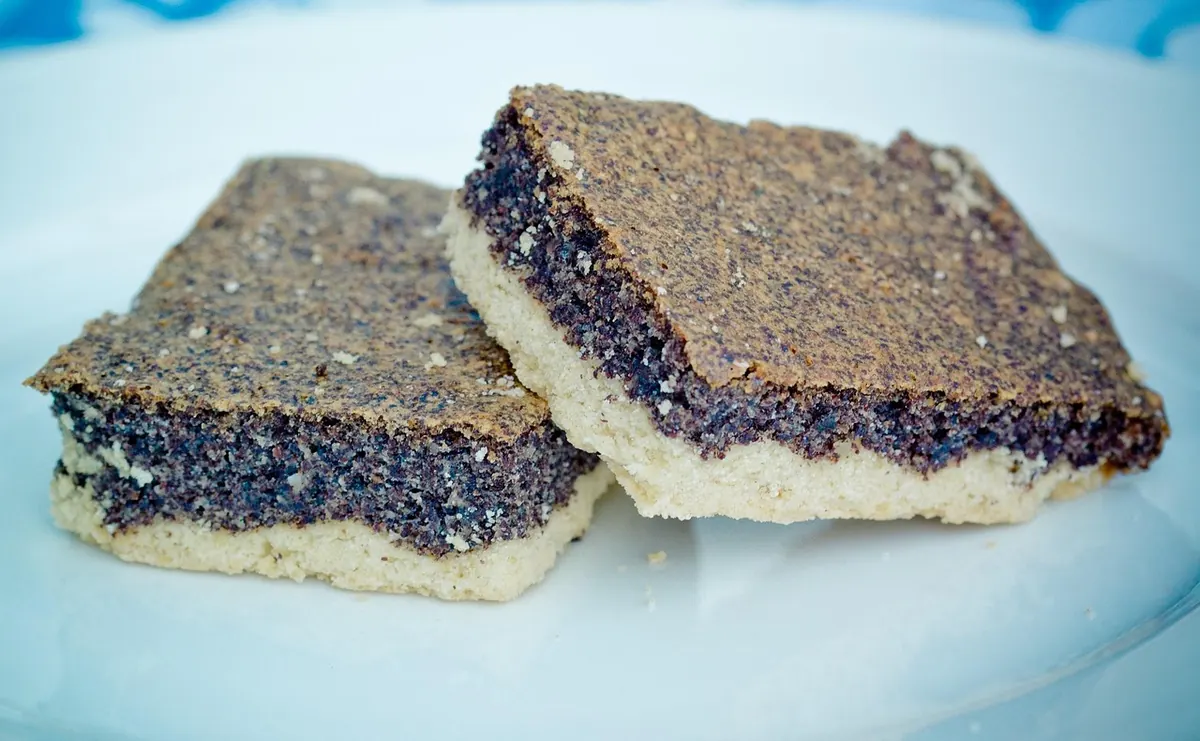
Photo: TheUjulala / Pixabay